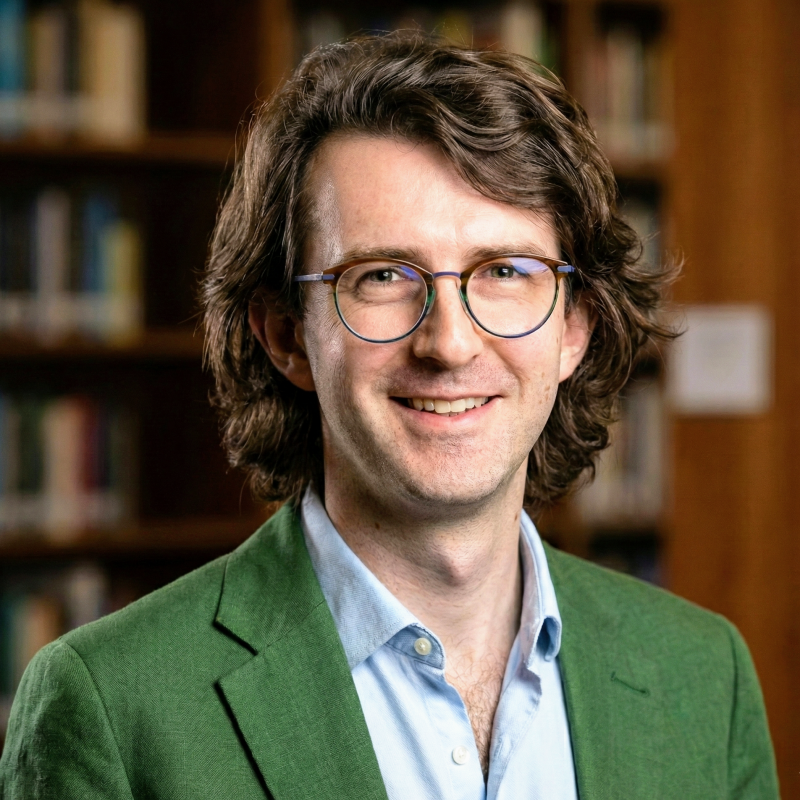
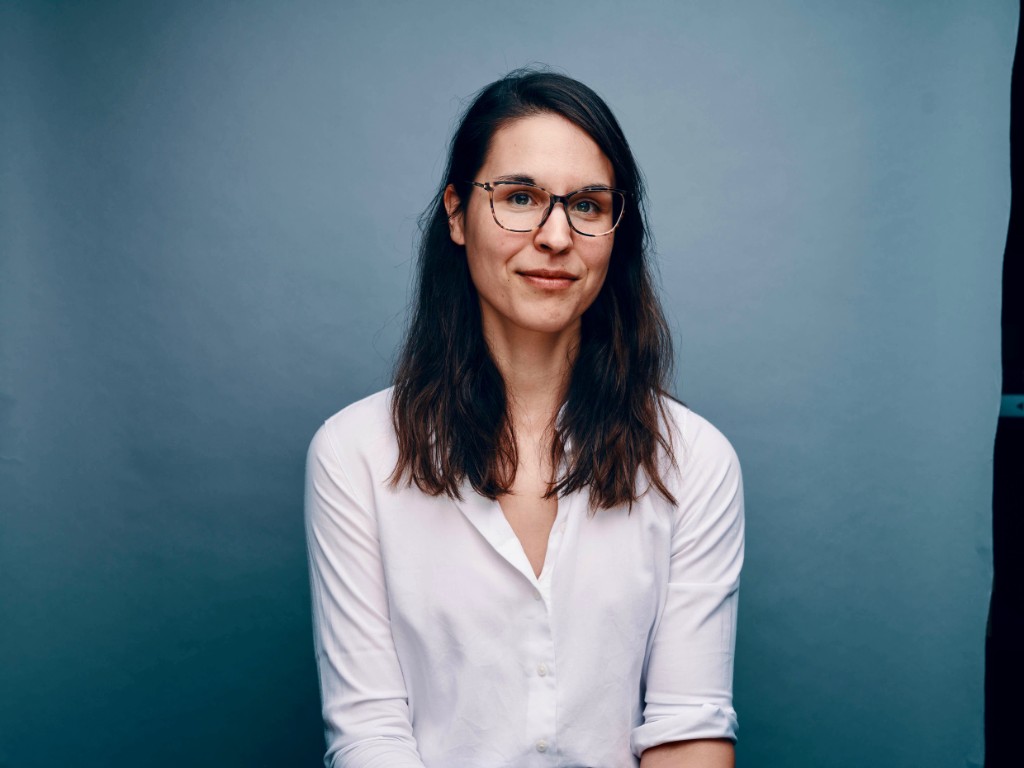
Chris Tomlinson
Senior Fellow in Clinical Foundation Models
UCL / NHS Foresight
The First Workshop on
Reliable Clinical Trial Simulation and Intervention-Aware Reasoning
WMHS @ NeurIPS 2026

Organised by researchers from






Speakers & Panel
The workshop brings together researchers and practitioners working across machine learning, clinical development, and trustworthy healthcare AI, with a cross-disciplinary panel on scientific validity, clinical usefulness, evaluation, and responsible deployment.
Senior Fellow in Clinical Foundation Models
UCL / NHS Foresight
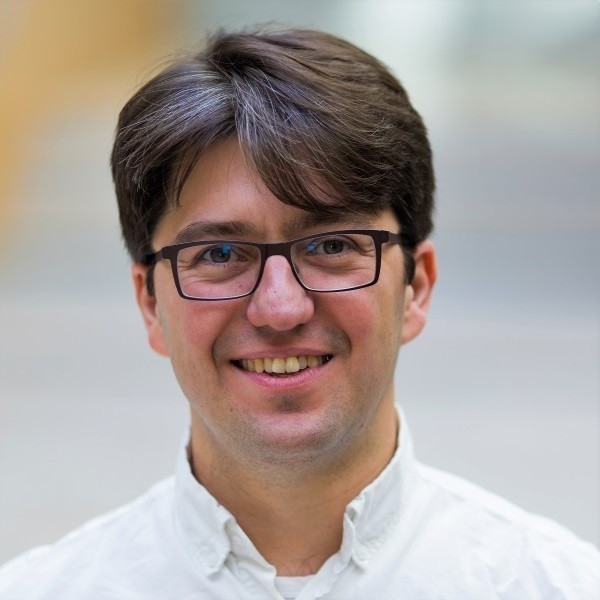
Head of Research, Frontier Tuning
Microsoft
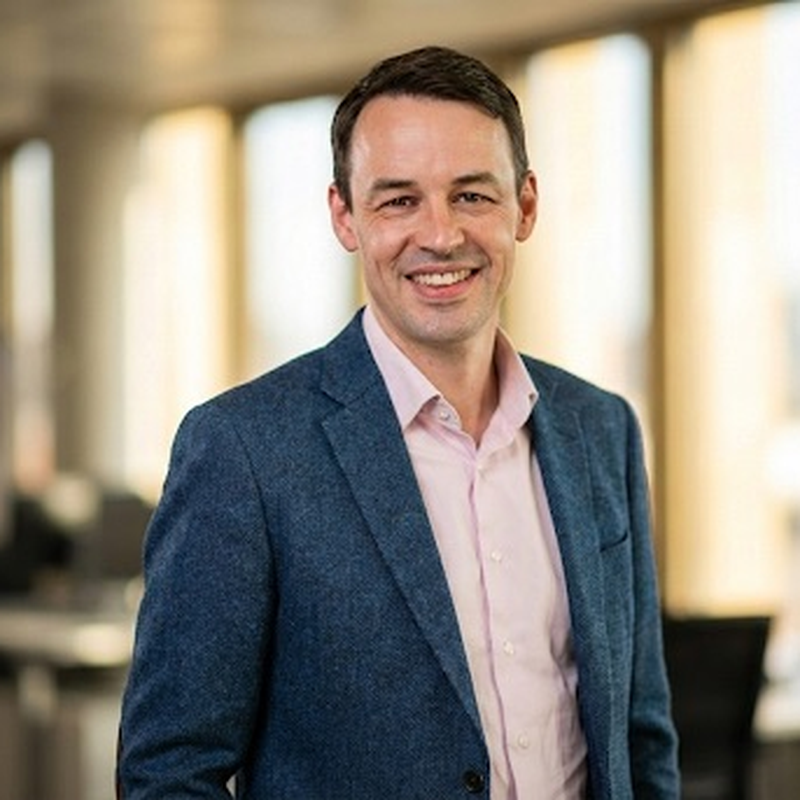
Head of Data Science & AI
Novartis
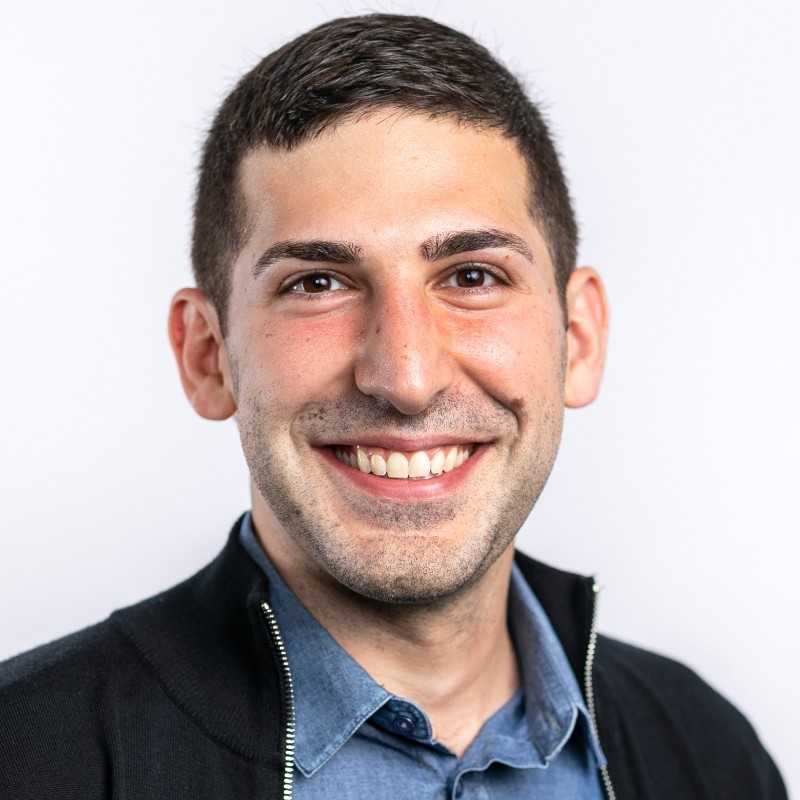
Assistant Professor of Medical AI
Cornell University
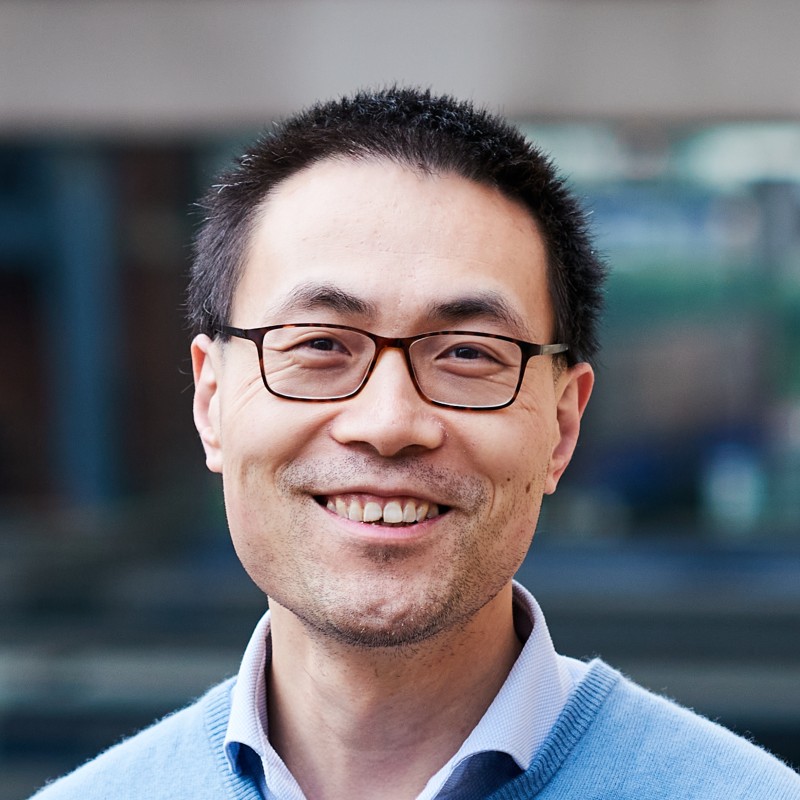
VP, AI and Machine Learning
GSK
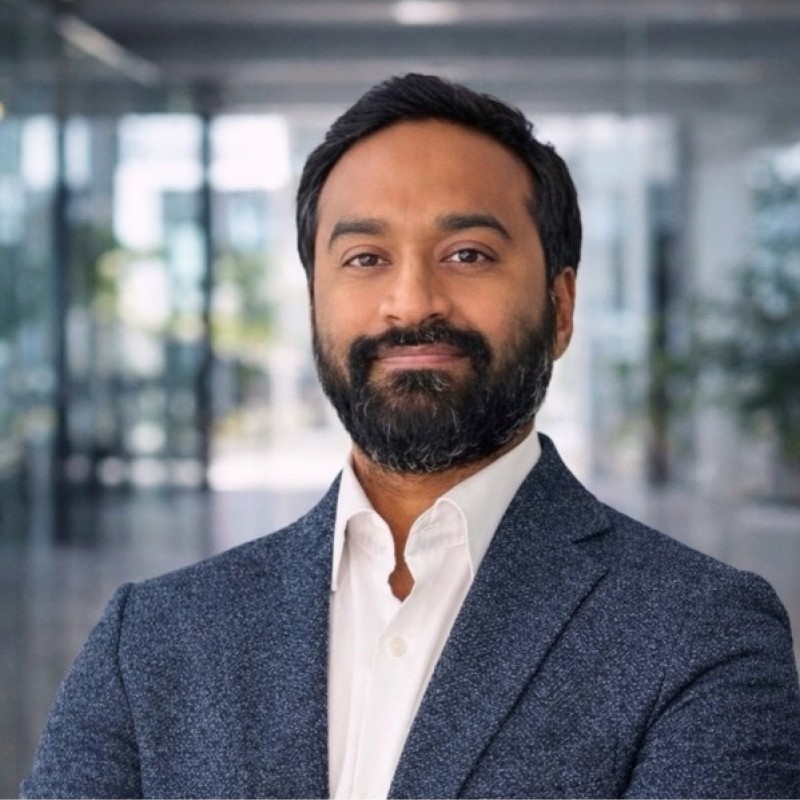
Head of Data Science, BioPharmaceuticals R&D
AstraZeneca
VP, AI Solutions
IQVIA
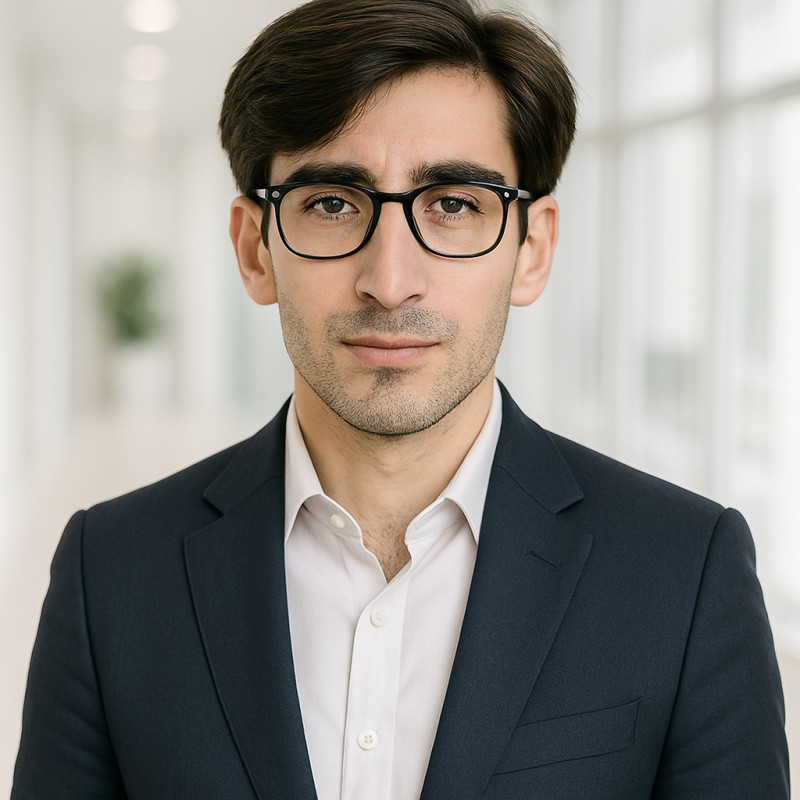
Head of Advanced AI
IQVIA
Moderator
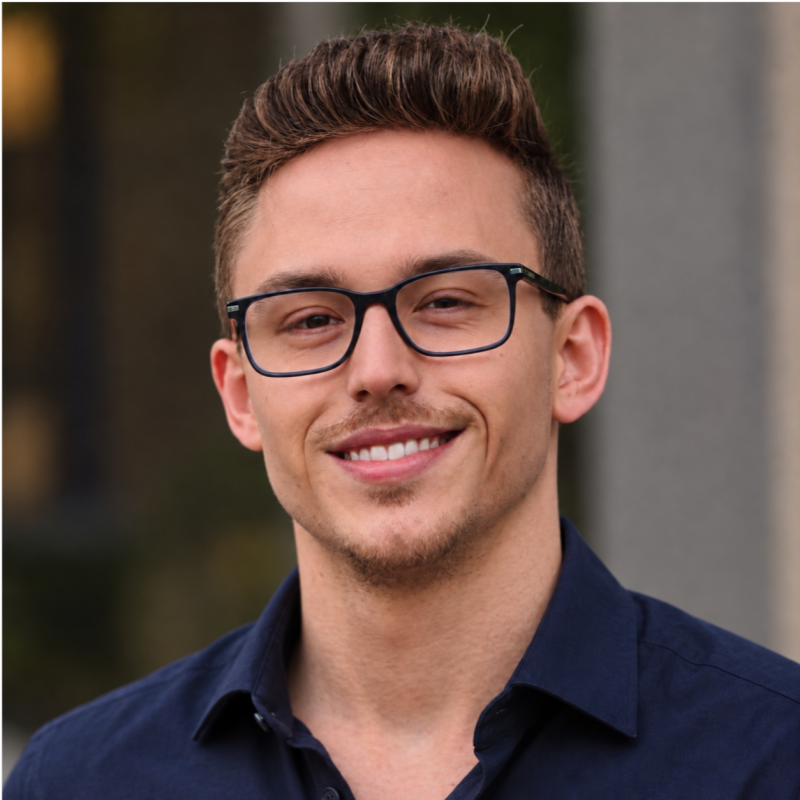
Head of Foundation Models & VP, AI Labs
Salesforce

Global Head — Computational Biology & AI Strategy
Sanofi
Assistant Professor of Computer Science
UC San Diego
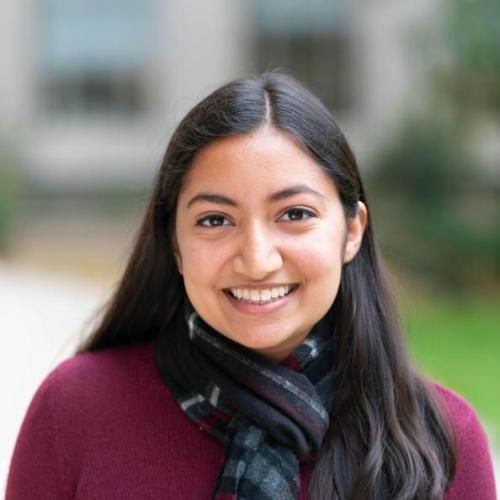
Assistant Professor of Biostatistics & Bioinformatics
Duke
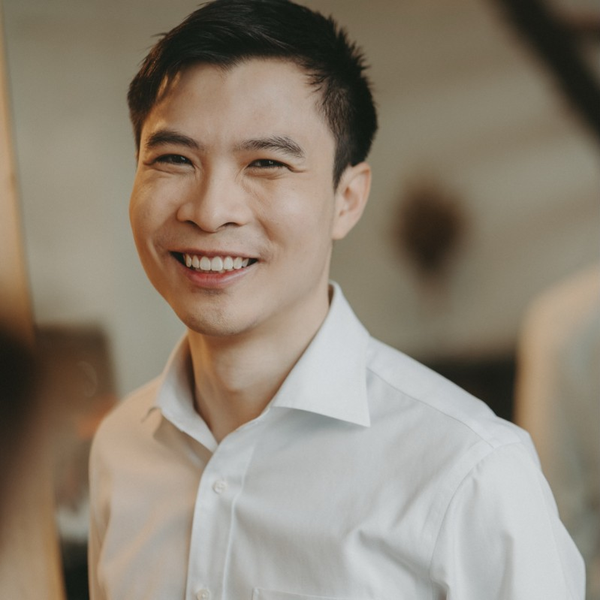
AI Scientist & Assistant Professor
Mayo Clinic
About the workshop
Clinical trial simulation is a uniquely demanding and falsifiable testbed for one of the central open problems in machine learning: building reliable world models of complex, partially observed, intervention-rich systems.
This workshop focuses on patient world models — generative and reasoning-capable systems that learn from patient trajectories, trial protocols, interventions, mechanisms of action, and real-world evidence to support clinical trial simulation and decision-making.
Topics of Interest
We invite work that advances reliable, intervention-aware patient world models — including benchmarks, negative results, position papers, and emerging directions.
World Models for High-Stakes Health (NeurIPS 2026) invites submissions on architectures, algorithms, theory, empirical studies, benchmarks, demonstrations, and position papers related to patient world models, intervention-aware modelling, clinical trial simulation, virtual populations, and the evaluation and reliable deployment of AI in high-stakes healthcare. Submissions must present original, unpublished work that has not appeared at NeurIPS or other archival machine-learning venues.
All deadlines follow the Anywhere on Earth (AoE) timezone.
Submissions are managed via OpenReview and remain private during review. All authors should maintain up-to-date OpenReview profiles for conflict-of-interest management and paper matching. Submit your paper at the OpenReview submission portal.
We welcome contributions across the topics above. Accepted papers are presented as posters, with a subset selected for oral, spotlight, or demonstration talks, and we give a Best Paper Award and a Best Clinical Impact Paper Award for work with particularly strong potential to improve clinical research, healthcare delivery, or patient outcomes. The workshop is in person at NeurIPS 2026 in Atlanta (Rooms C208–C209).
Submissions must be in English and submitted as a single PDF
References and appendices do not count toward the page limit, but the main text must be self-contained.
Every submission also includes a short responsible-use statement covering relevant limitations, uncertainty, potential clinical or societal impacts, and suggested mitigations. It is reviewed with the paper, and a missing statement is grounds for desk rejection.
The workshop uses double-blind review. Submissions must be anonymized, with author names, affiliations, and acknowledgments removed and prior work cited in the third person.
The workshop is non-archival. Papers under review elsewhere are welcome, and accepted papers may be published at other venues afterward. Work already published at NeurIPS or other archival machine-learning venues should not be submitted.
Email jay.nanavati@iqvia.com.
Submissions are managed via OpenReview.
Motivation, workshop objectives, and overview of the day.
Speaker to be confirmed.
Nathan Kallus.
Informal discussion and networking.
Patient world models, virtual trial arms, synthetic controls, EHR foundation models, and trajectory generation.
Chris Tomlinson.
Informal networking.
Speaker to be confirmed.
Accepted papers and interaction across machine learning, clinical research, causal inference, and industry.
Moderated by Emma Slade. Discussion of historical trial emulation, synthetic controls, uncertainty, causal validity, generalisation, and clinical utility.
Informal discussion and networking.
Reasoning, protocol interpretation, benchmark design, evaluation, and agentic systems for clinical-trial design and evidence generation.
Speaker to be confirmed from GSK.
Moderated by Jay Nanavati. Discussion of trustworthiness, reliability standards, data access, benchmarking, regulatory evidence, and responsible deployment.
Presentation of the Best Paper Awards, key conclusions, open research problems, community roadmap, and plans for the post-workshop report.
Organizing Committee
Head of Advanced AI
IQVIA
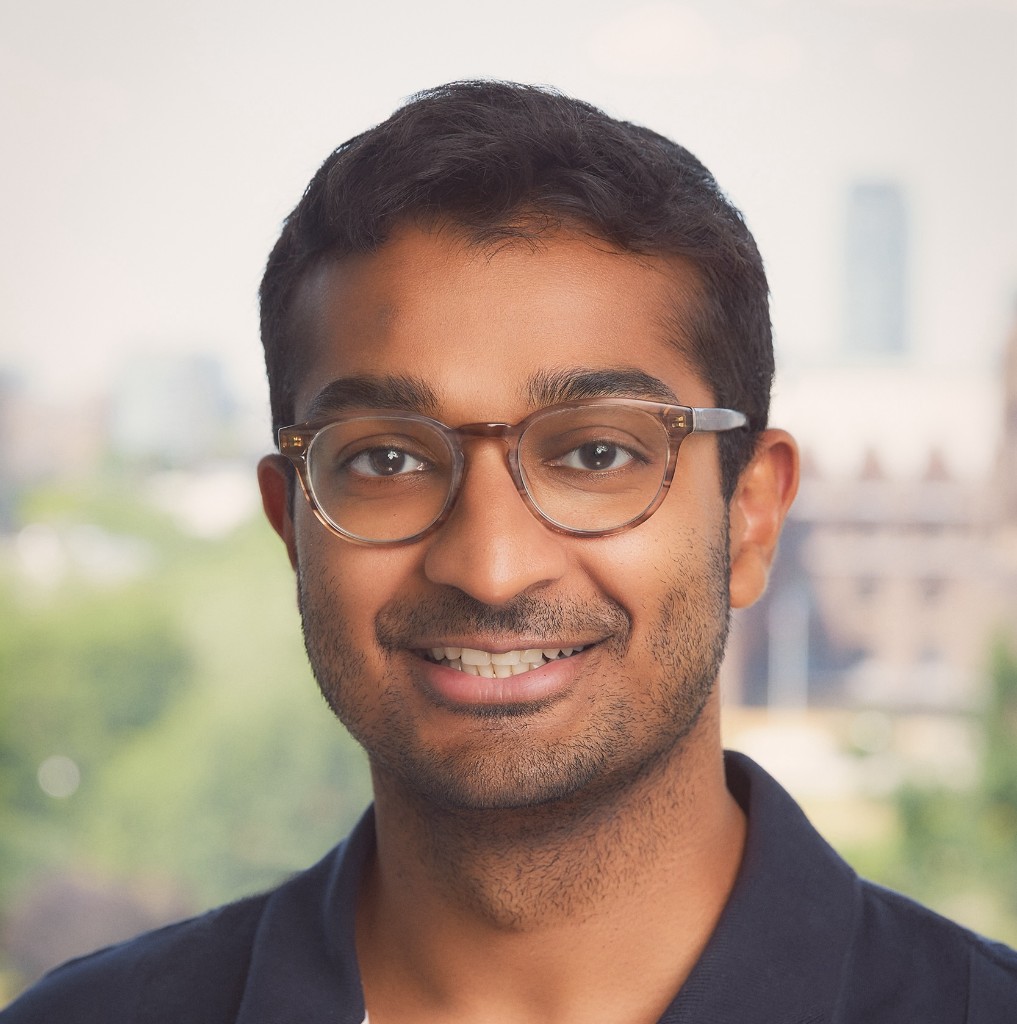
Assistant Professor, CS & Laboratory Medicine & Pathobiology
University of Toronto / Vector Institute

Assistant Professor of Biomedical Informatics
Columbia University
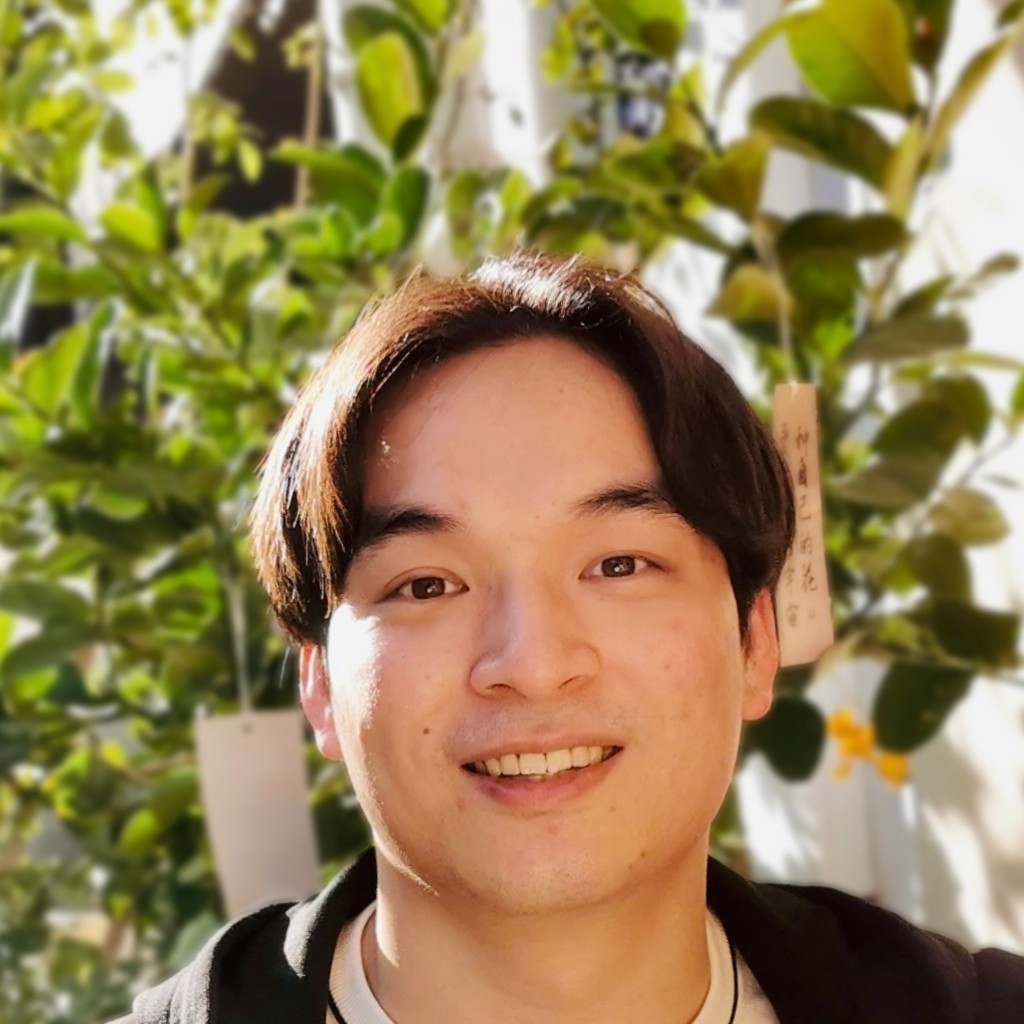
Research Associate (PostDoc)
University of Oxford
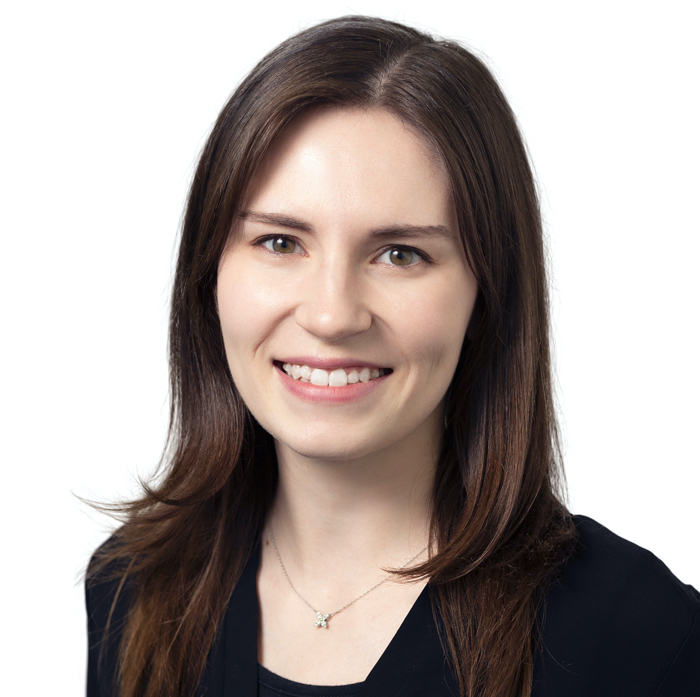
Digital Health Applied Research
NVIDIA
Senior Director of AI/ML
GSK